History of the Free Lands

begins millennia ago.

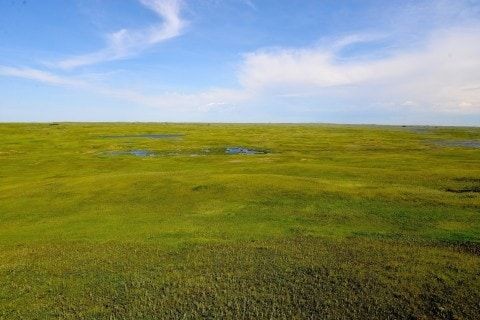
A single, great warrior rode at the head of the largest nomad encampment ever seen. It consisted of nearly three million men, women, and children as well as its herds of sheep and goats. This warrior had many wives and many more children, though only seven sons. When he died, after his sky burrial, the tribe was divided into seven smaller tribes, one following each of the sons.

They spread out across the Free Lands warring amongst themselves and occasionally harrying the towns that sprang up around the handful of wandering willows across the country.

As the decades past, the seven tribes continued their conflict and the towns grew into walled cities, for fear of the tribes.

A millenium after the tribes became seven, three great chiefs conquered and redivided them. This lasted nearly another millenium before breaking back into the seven tribes that roamed the Free Lands until the story begins.
Heavenly Hosts of Terra

are a constant. Though they change from one season to the next as Terra makes her way around the sun.

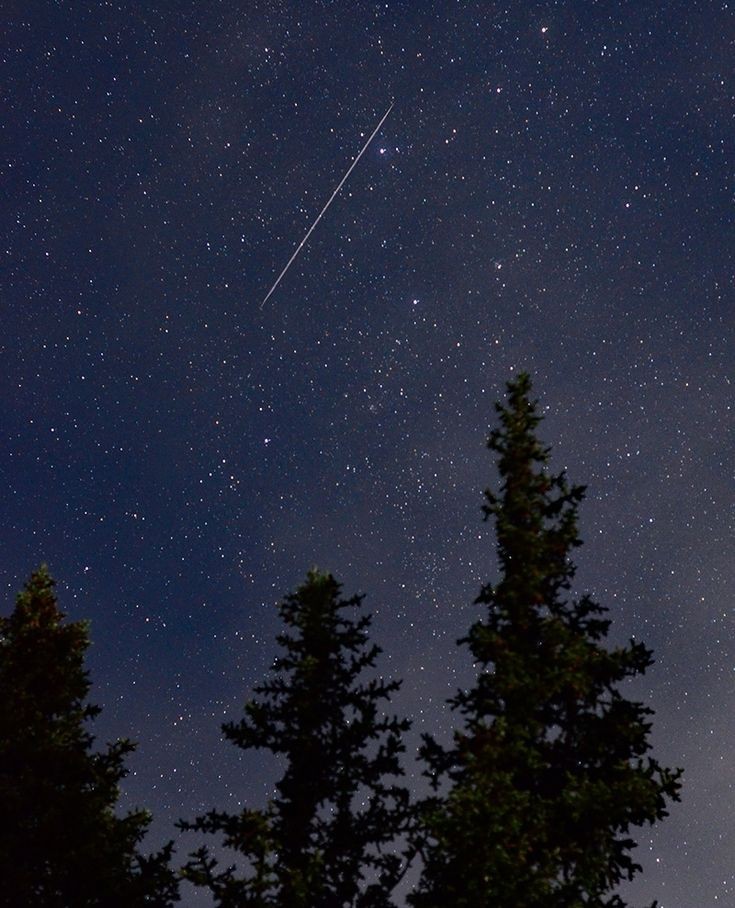
Those who sail the seas and spend extensive time outside have learned the dance of the celestial beings across the sky. They mark the passage of time with each of the constelations as they move through the heavens.

The most well-known and easy to spot, especially shortly after sundown, are The Archer, The Mermaid, and The Serpent. Those  that appear shortly before sunup are The Wolf, The Warrior, and The Centaur. These are in the northern hemishpere in the spring and summer. During the fall and winter, in the northern hemishpere, it’s The Tortis, The Dragon, and The Stag in early evening with The Swan, The Fountain, and The Maiden just before dawn.

In the southern hemisphere, in spring and summer, shortly after sundown, the most recognizeable constelations are The Sword, The Anvil, and The Skeleton. Those shortly before sunup are The Warhammer, The Phoenix, and The Lovers. In fall and winter, shortly after sundown are The Spyglass, The Stallion, and The Hare. While the ones before sunup are The Scales, The Bear, and The Tree of Life.

There is a myriad other constelations in the skies throughout the nights, varying by season and hemisphere, but the ones listed above are the most relevant and renown.

Jokes and Humor

vary throughout Terra.

Each country has it’s own jokes. There are, of course, varying levels of humor. Children play pranks and practical jokes on one another. Then there is the jovial attitude of coworkers and companions. Finally there is the dirty humor.

Not only are there jokes and pranks, but also comedies, satyres, and playful songs.

Each race has inapropriate jokes about the others, often focusing on their most noteable traits. Everyone knows about elves being “woodland sprites” and makes fun of it. Dwarves are “rock-humping” midgets. And so on. Such jokes are frowned upon in mixed company but often spoken out the side of one’s mouth as well. Bards make fun of wizards, druids, and rangers. Warriors make fun of everyone. Mages make fun of wizards and bards. Few mock priests and clerics, as they have no desire to anger the gods.

Some human nations are more the brunt of jokes than others. Cynsely is mocked for the same reason ancient Greece was. Bedaile is mocked for being a matriarc. Nestapor is mocked because of the amount of time the Navy spends at sea. And the list goes on. Again, it’s considered rude in most polite circles but often snickered at nonetheless.

Whatever major political events happen to be going on, are often the fodder for popular theatre troops to turn into satyres. These are immensely infamous among commoners.

Divorce

while not uncommon, is not as frequent as it is in our world.

Peasants seldom divorce. There are far too many challenges. Often there are children, homesteads, and other such assets to be divided. Unless one spouse or the other is violent and abusive, married couples remain together and simply look the other way on the occasional indescression.

Nobility, on the other hand, has a slightly higher rate of divorce. While they marry for advancement, it is seldom for love. Once several heirs have been raised to majority, the unhappy couple part amicably and seek their own romantic relationships.

Royalty never divorce unless there is blatent evidice of abuse. Daliances are often an open secret with royal couples.

Elves, gnomes, and halflings are free-spirited and seldom divorce. Affairs and daliances are a way of life and therefore their marriages are more open and understanding. As with most other cultures, only violence provokes an end of the nuptials.

Dwarves are not as liberal in their marriages as others. They take their vows seriously. As a result, divorce is almost non-existant in their culture.

Technology and Engineering

are more prominent in some countries than others. Especially in the dwarven nation of Dorath and Krezdiv.

There is an engineering academy in Cynsely. It teaches both civil engineering and warfare. Some of the greatest to construct in not only Iskendurun but Krezdiv, Adamar, and Nestapor, for civil engineering. Even the dwarves send some of their best to the academy as well.

The dwarves and halflings are the most renown and ingenious when it comes to technology as well. They also get a great deal from Krezdiv.

Magic influenes technology in strange and interesting ways, throughout Terra. Each nation and group of rulers uses the assets at their disposal in varying and unique ways and so each country has developed after a different fashion.

With ever-changing magics, materials, and individuals, the technology and engineering of Terra continues to evolve.

Sports and Recreation

can be found wherever one travels.

Unfortunately, due to the conflicts across Acleron there is little time for such things at present. However, many children still play their games. The most common games are stick-ball (lacross to us), football (soccer), and barrel-ball (a variation of basketball). These are popular with children all over Terra. While the rich and noblemen of many kingdoms play a variation of polo and women play a variation of croquette.

There are village festivals throughout the world. Small celebrations that are significant to only that area. They are often overshadowed by the great midseason festivities. The most significant is the midwinter festival that heralds the new year.

Weddings are always a source of celebration. The wealthier couples frequently take long honeymoons to mark their nuptials. Their wedding feasts and cerimonies , also, are noteworthy. Royal weddings being on par with national holidays.

The Corelon Zepheroth is one of the greatest events in all Terra. The bard competition beforehand is nearly as celebrated. Iskendurun hosts its own royal tournament during the midsummer festivities. Nestapor hosts something similar during midaytumn. The same with Alondrol in midspring. Tournaments featuring jousting are popular in a half-dozen other countries across Terra, as well.

Economy and Trade

makes Terra spin. And, while some countries don’t trade as much as others, there is a regular exchange of goods, services, and information across the globe.

Northern Iskendurun and Southern Adamar are famous for their coffee export. Krezdiv is famous for its chocolate and magic. Dorath, home of the dwarves, is famous for its gems, precious metals, alcohol, and war machines. Glendar is famous for its wine. Cynsely has the best doctors and healers.

While many countries mint their own coins, the size and value is consistent throughout Terra. Different dealers assign different values to gems, depending on market saturation and personal preferences.

Often times, information is an even greater comodity than coins and gems. The exchange of information is especially valued by the rulers of countries. This is part of the reason Iskendurun is so well-known. Not only did Keegan, Duke of Kahn establish the Ghosts, it is believed he set up the Guild of Shadows too. Knowledge is power.

Music and Songs

are the heartbeat of Terra, as every culture and country has its own folk songs.

Bards are often as famous as war heroes. They have their own academy and annual copetition. Singers with stringed instruments are the most popular. Some musicians play an instrument but don’t sing. A few only sing, without instrumental accompaniment. A few play wind instruments.

There are a handful of books, throughout the various libraries of the world, with collections of written musical compositions. Some books have multiple compies. Others are unique. Most bards and musicians don’t write down their music.

Even the elves, dwarves, gnomes, and halfings have their own folk and war songs. Orcs, high ogres, and giants have been known to have music, as well. Some of the other legendary creatures are believed to have their own music.

Each country and culutre has their own dances. Some are simple, others more elaborate. Some are performed in groups, couples, and individuals. Many cultures, rooted in nature, fashon their dances after brid or other animal mating rituals.

Often times, dances are performed during mid-season celebrations. Others are, especially with nobility, a daily occurance. Some villages have their own special celebrations, as with the Festival of Tears.

Even lullabies have a special place in Terran cultures.

Gnomes of Terra

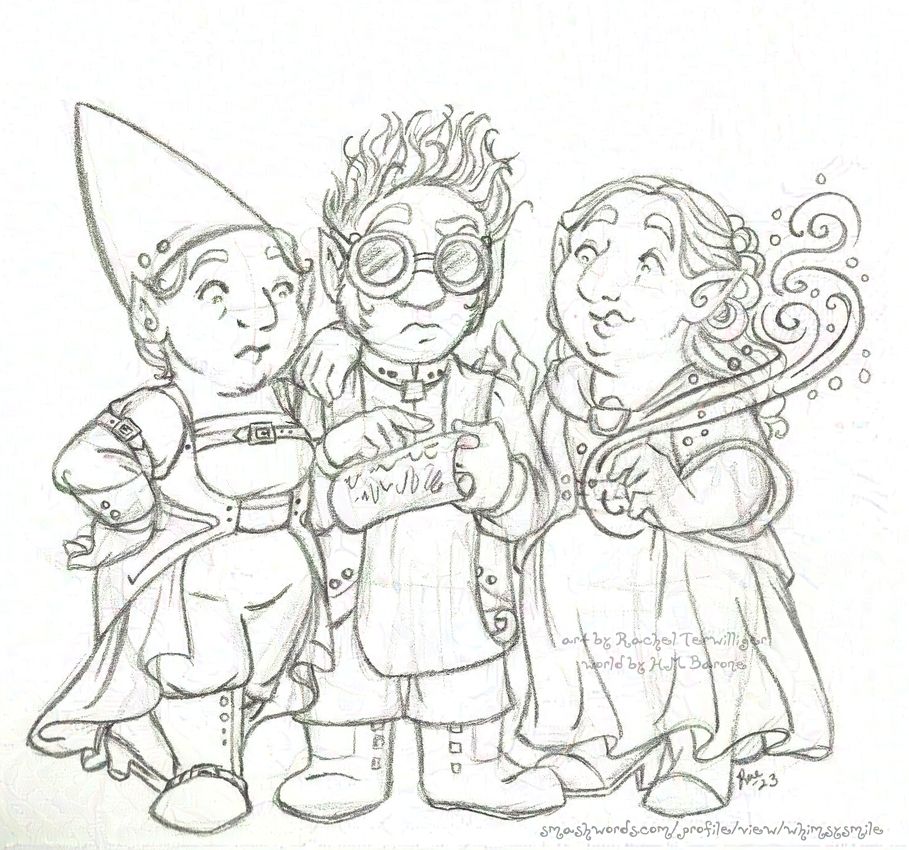
have no homeland of their own as elves and dwarves do. They live amicably among humans, elves, and dwarves. Often they take jobs as tinkers, toymakers, and jewlers, as they are ingenious and resourceful. Occasionaly they are employed as informants or thieves. Many rise through the ranks of magic-users, whether bard, mage, sorcerer, or cleric.

As gnomes are found all throughout Terra, their appearances are as varied as the humanoids they live among. While their average height remains around two to four feet tall, their hair, skin, and eye colors are wide ranging.

Most citizens across Terra are amiable toward these diminutive beings. They work alongside gnomes as easily as any other race.

While too small to ride horses there are certain breeds of ponies that are suitable mounts for gnomes. As a result, these riders become impressively skilled cavalry. Others, especially rangers and druids, ride their animal companions. There has been a famous barbarian gnome or two in the history of Terra, though they are few and far between. Many become clerics of their creator deity, Aerae. Still others find music to be their outlet and find themselves as wandering bards. When it comes to gnomish magic-users they favor sorcery or wizardry. Only one infamous warmage gnome is recorded in the annuls of history, and he was from when Terra was young.

Most countries in Terra are somewhat sexist and make life easier for men over women. This, however, hasn’t stopped gnomish women from leaving their mark in the world. Three great gnomish engineer women have gained noteriety. Others became royal toy-makers, couteriers, and jewlers.

No matter where you travel, you can find gnomes in every walk of life.

General Education

is an integral way of life for all Terra. It can be as broad and general as a mother teaching her daughter to cook, bake, and manage a home, to something as grandious and specific as a king hiring countless tutors to educate his son in ruling the kingdom.

Farmers and tradesmen regularaly raise their children to take over once they’re too old to carry on or they pass away from an unexpected event. Merchants, traders, and even soldiers often do likewise with their offspring.

As with all societies, however, there are poor and orphans. Many join loal thieves’ or mercenarys’ guilds. Some are fortunate to find honest work.

Those who inherit magical abilities are often sent, at a young ag, to the various magic academies throughout Terra. They are sometimes sent to nearby temples to learn divine magics.

Some communities, especially those with elemental or psionic abilities, will collectively contribute to their children’s education. These innate gifts are inherited from one generation to the next. Seldom are outsiders born with suh abilities.

No matter where a person goes throughout Terra, it is impossible not to acquire knowledge of one kind or another.